
1 Random Quirk Generator vs 1 Manual Character Brainstorming: Which is Better andpositive for you??
The debate between structured creativity and randomized inspiration has existed as long as artists have shared techniques. When it comes to character development, this question takes a practical form: should you meticulously brainstorm every personality trait, or let a random cartoon character generator provide unexpected starting points? The truth is more nuanced than choosing one method over the other. Each approach offers distinct advantages depending on your creative needs, timeline, and working style.
Random quirk generator vs manual character brainstorming: which method creates better characters? Compare both approaches, discover their strengths, and learn when to use each technique effectively.
Understanding Manual Character Brainstorming
Traditional character development follows deliberate, methodical processes. You start with core questions: What does this character want? What prevents them from getting it? What shaped their personality? You might fill out character sheets, write background stories, or conduct interviews with your fictional creations. This approach gives you complete control over every element.
The strength of manual brainstorming lies in intentionality. Every trait connects to your story’s themes, plot requirements, or emotional resonance you’re trying to create. Your protagonist’s fear of abandonment directly relates to their childhood and drives their relationship conflicts. Nothing exists randomly—everything serves purpose.
This method also allows for cultural sensitivity and research-based accuracy. When creating characters from backgrounds different than your own, manual development lets you incorporate research findings thoughtfully. You’re making conscious choices informed by learning rather than relying on random generation that might inadvertently reinforce stereotypes.
However, manual brainstorming has weaknesses. It’s time-intensive, which becomes problematic when you need characters quickly or have limited creative energy. It can also trap you in familiar patterns since you’re drawing entirely from your existing knowledge and unconscious biases. Your carefully considered characters might all end up feeling similar because they’re filtered through the same creative lens.
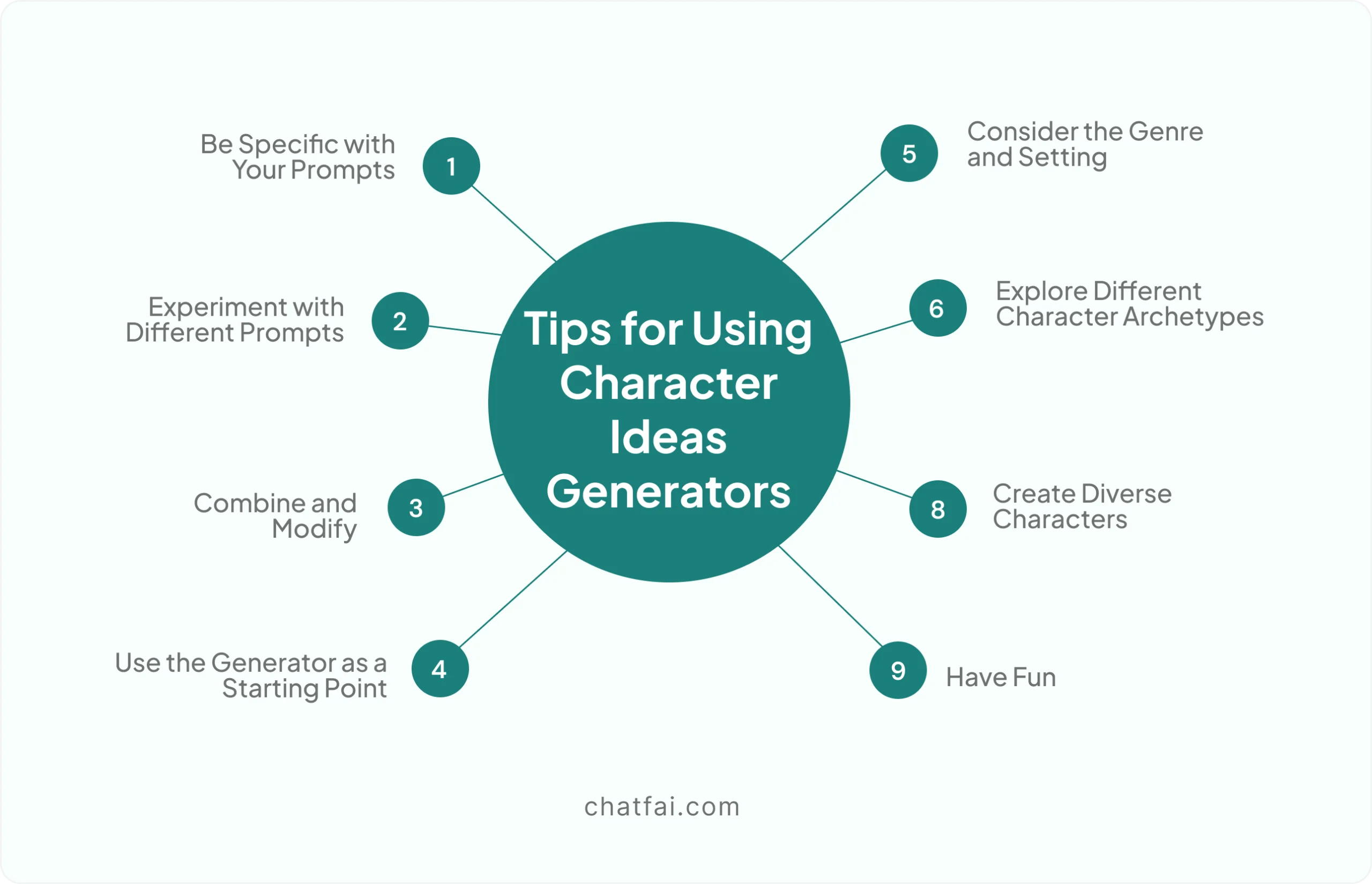
How Random Quirk Generators Actually Work
(1 Random Quirk Generator vs 1 Manual Character Brainstorming)
Random quirk generators operate on simple principles: they present personality traits, habits, fears, or characteristics from a database of possibilities. You click, spin, or press generate, and receive an option you didn’t consciously select. This randomness is their defining feature and their primary value proposition.
These tools excel at breaking creative ruts. When you’ve written five characters who all cope with stress similarly, a random quirk generator might suggest something completely different that you’d never consider on your own. The cognitive disruption forces new neural pathways, literally making you think differently about character possibilities.
Generators also offer incredible speed. Need a memorable NPC for your tabletop game in thirty seconds? Generate a quirk and you have instant personality. Writing multiple secondary characters for your novel? Generate options for each and suddenly they’re distinct from each other with minimal time investment.
The downside is lack of inherent meaning. A randomly generated quirk has no automatic connection to your story, themes, or character’s role. It’s raw material requiring interpretation and integration work. Some generated options won’t fit at all, meaning you’ll generate multiple times before finding something useful. This randomness that provides creativity can also create inefficiency.
When Manual Brainstorming Works Best
Certain creative situations demand the intentionality of manual development. Main characters carrying your entire narrative need deep, purposeful construction. You’re spending hundreds of pages or hours of gameplay inside their perspective—surface-level quirks won’t sustain that intimacy. You need to understand their psychology, contradictions, and growth trajectory in ways random generation can’t provide.
Stories built around specific themes require manual brainstorming too. If you’re exploring generational trauma, your characters’ traits should reflect and illuminate that theme. Random generation might produce interesting quirks, but they won’t necessarily serve your thematic intentions. Manual development ensures every character element contributes to what you’re trying to say.
Historical or cultural specificity also favors manual approaches. Characters existing in particular times, places, or communities need traits that reflect those contexts accurately. While you might use generators for initial inspiration, the actual development requires research and conscious choices that respect the setting’s realities. According to established character development resources, authenticity comes from understanding context deeply, not from randomized attributes.
Collaborative projects where multiple creators need shared understanding of characters work better with manual development. When everyone needs to write or portray the same character consistently, having deliberately chosen, documented traits creates clearer reference points than saying “I generated this randomly.”
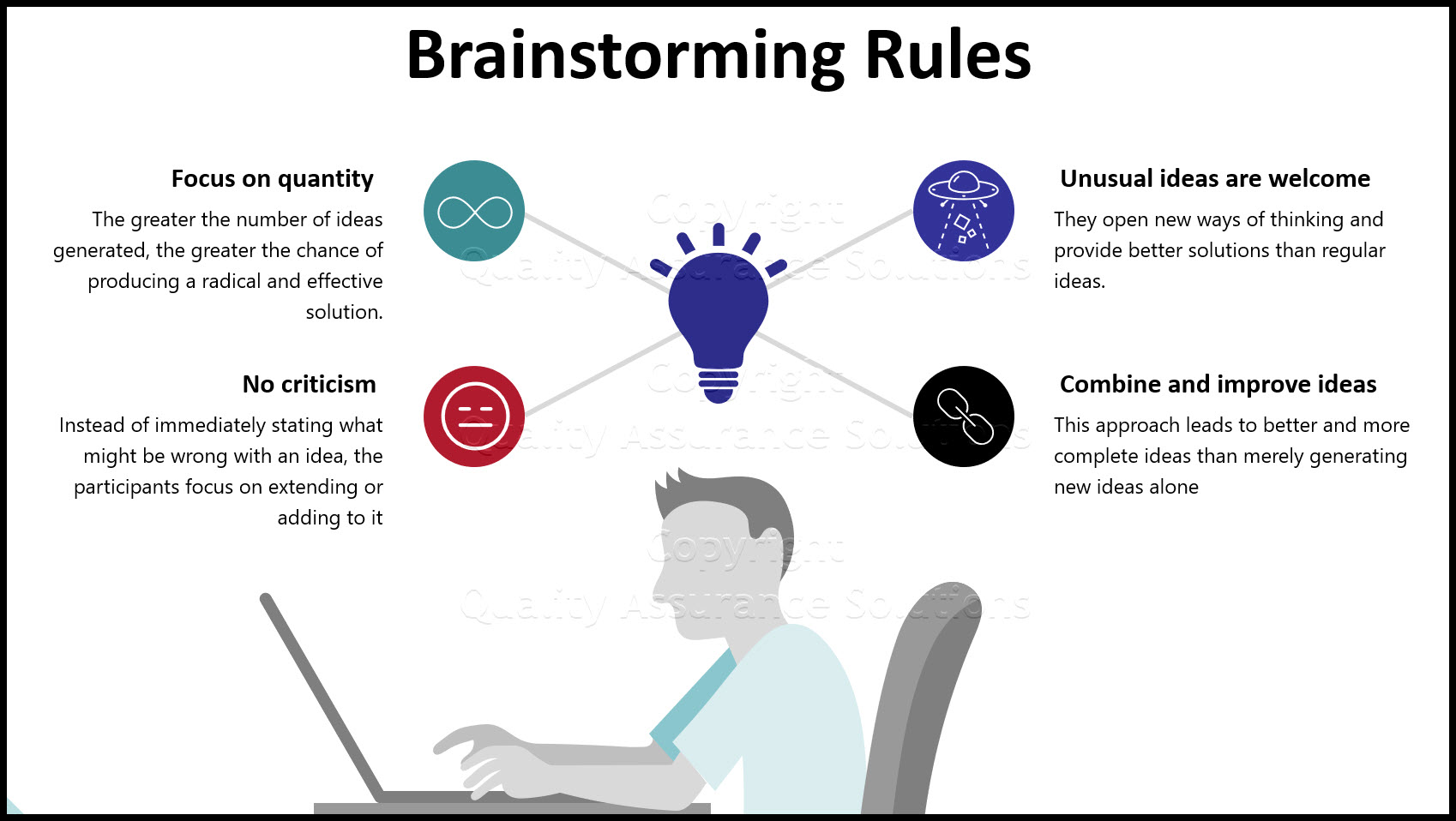
When Random Generators Shine
Speed requirements make random quirk generators invaluable. Dungeon masters improvising NPCs mid-session don’t have time for extensive character worksheets. Writers facing tight deadlines can’t spend hours developing every minor character. Generators provide functional personality instantly, letting you maintain creative momentum rather than getting bogged down in development paralysis.
Breaking through creative blocks represents another ideal use case. When manual brainstorming produces nothing but familiar retreads, random generation introduces elements your brain wouldn’t naturally access. The unexpected combination of traits forces you out of comfortable patterns, often leading to genuinely original characters you wouldn’t have created otherwise.
Secondary and minor characters benefit enormously from random generation. These roles don’t warrant extensive development time, but they still need distinctiveness. A generated quirk transforms “bartender” into “the bartender who collects ceramic frogs” with zero time investment. That specificity makes your fictional world feel populated with real people rather than cardboard props.
Ensemble casts where you need multiple characters quickly differentiated work well with generators too. Generate one distinctive trait for each character as a starting point, ensuring they feel distinct from each other immediately. You can develop them manually from there, but the random quirks prevent them from blurring together during initial creation.
The Hybrid Approach Most Professionals Use
Experienced creators rarely use exclusively manual or random methods. Instead, they combine approaches strategically based on specific needs. Main characters receive extensive manual development, while secondary characters get random quirks. Or manual brainstorming establishes core personality, then generators add finishing touches that prevent characters from feeling generic.
Some writers use generators diagnostically. They develop characters manually first, then generate random quirks to see if anything unexpected fits. When a generated trait clicks despite not being part of the original plan, that often reveals something important about the character they hadn’t consciously recognized. The random element serves as a creative mirror, highlighting possibilities hidden in the manual development.
Revision stages benefit from this hybrid thinking too. A character feeling flat in your draft might need a randomly generated quirk to gain dimension. Conversely, a character who’s all quirks and no substance needs manual development to find their emotional core. Knowing which tool addresses which problem makes both methods more effective.
The key insight is that random and manual methods aren’t competitors—they’re complementary tools serving different functions. Manual brainstorming provides depth, intentionality, and thematic coherence. Random generation provides novelty, efficiency, and pattern disruption. Using both leverages their respective strengths while compensating for their weaknesses.
Practical Implementation Strategies
If you’re primarily a manual brainstormer, try incorporating random generation in low-stakes situations first. Use generators for minor characters where mistakes don’t matter much. This builds comfort with randomness without risking your most important creative work. As you see how random elements enhance rather than undermine your creations, you’ll naturally find more applications.
For creators who love random generation, practice connecting generated quirks to deeper character psychology. Don’t just accept that your character collects vintage maps—ask why. Develop backstory explaining the quirk’s origins. This integration work transforms random traits into meaningful characterization, giving you the best of both approaches.
Time-box your methods to prevent overthinking. Give yourself fifteen minutes of manual brainstorming, then switch to random generation if you’re stuck. Or generate five random options, then spend ten minutes manually developing the most promising one. These time limits prevent either method from consuming disproportionate creative energy.
Document what works for your specific creative process. Some people generate best ideas during manual brainstorming but struggle with variety, making random generation valuable for late-stage additions. Others find manual development tedious but excel at interpreting random prompts. Understanding your creative strengths and weaknesses helps you deploy each method where it’s most effective.
Measuring Success Beyond the Method
Ultimately, the better method is whichever produces characters that serve your story. Does your protagonist feel three-dimensional and motivated by believable desires? Do your supporting characters feel distinct and memorable? Does your cast represent appropriate diversity without relying on stereotypes? These outcomes matter more than which method generated them.
Reader or player engagement tells you if your approach works. Characters created through random generation who resonate with audiences are successful, regardless of their origin. Similarly, meticulously brainstormed characters who fall flat have failed, despite the care invested in them. The proof emerges in how people respond to your creations, not in which development process you followed.
Your own creative satisfaction matters too. Some writers find manual brainstorming meditative and enjoyable—it’s not just work but pleasure. Others find it tedious and draining, making random generation not just more efficient but more sustainable emotionally. Choose methods that let you create consistently without burning out, because the best technique is the one you’ll actually use.
Explore “Psychology Behind Memorable Trait”. A deep dive into what makes certain characteristics stick in our minds. This page uncovers how our brains lock onto specific traits, why some details linger while others fade, and how you can harness this for character creation, branding, or storytelling. Whether you’re crafting characters or messaging for an audience, the psychology here offers insights into the art of being unforgettable.
Frequently Asked Questions
Can random quirk generators replace traditional character development entirely?
No, generators work best as supplements to traditional development rather than replacements. They provide raw material and inspiration, but you still need to integrate quirks meaningfully, develop character psychology, and ensure traits serve your story. Think of generators as ingredients rather than finished dishes—you still need to cook.
Will using generators make my characters less original?
Not if you use them thoughtfully. Thousands of writers might generate “afraid of birds,” but how each writer interprets and develops that fear creates originality. The generator provides a starting point; your unique perspective, story context, and development choices create the actual character. Originality comes from execution, not just from initial concepts.
How do I know when to use manual brainstorming versus random generation?
Consider importance, time available, and where you’re stuck. Important characters central to your story deserve manual development. Time-pressed situations favor quick generation. Creative blocks benefit from randomness breaking your patterns. When manual brainstorming flows easily, stick with it. When it stalls, try generation. Let practical needs guide your choice.
Do professional writers actually use random generators or just beginners?
Many professionals use various randomization tools strategically. The key difference is that experienced creators use generators purposefully rather than relying on them blindly. They generate options, evaluate fit, and integrate thoughtfully. Experience teaches when randomness helps and when intentionality matters more, making professionals often better at using generators effectively than beginners.
Can I combine multiple generated quirks for one character?
Yes, but carefully. Two or three well-integrated quirks create depth; six random traits create chaos. When combining generated quirks, look for interesting tensions or connections between them. A character who’s both a germaphobe and an animal lover faces interesting conflicts. Unrelated quirks piled on feel gimmicky rather than meaningful.
What if I generate something that doesn’t fit my story at all?
Generate again, or interpret creatively. Not every generated quirk will suit every character, and that’s fine. Sometimes the mismatch itself reveals something useful—why doesn’t it fit? What would fit instead? Use unsuitable generations as diagnostic tools showing you what you actually need, even if you don’t use the specific trait generated.