
Stop Overthinking Everything – Just Spin and Go!
Last Tuesday I stood in the cereal aisle for literally fifteen minutes. Fifteen! My boyfriend texted asking what was taking so long and I’m like “I can’t decide between Cheerios and granola.” He thinks I’m insane. Maybe I am? But honestly, decision making with yes or no wheel tools saved me from having a full breakdown in aisle seven. Decision making with yes or no wheel methods are literally everywhere now.
I discovered these wheels totally by accident. Was procrastinating on Instagram (shocking, I know) when this girl posted about using one to decide whether to cut her bangs. The comments were going crazy – half the people thought she was nuts, the other half were like “genius!” Naturally, I had to try it myself. Decision making with yes or no wheel approaches seemed too weird to ignore.
Now I’m lowkey obsessed. Used it yesterday to pick between yoga or running, whether to order sushi or make pasta, and if I should finally text my college roommate back. Decision making with yes or no wheel methods have become my secret weapon against my own indecisiveness. Which, let’s be real, was getting pretty ridiculous. Decision making with yes or no wheel approaches are honestly addictive.
My mom calls it “avoiding responsibility.” I call it “strategic delegation to the universe.” Tomato, tomahto.
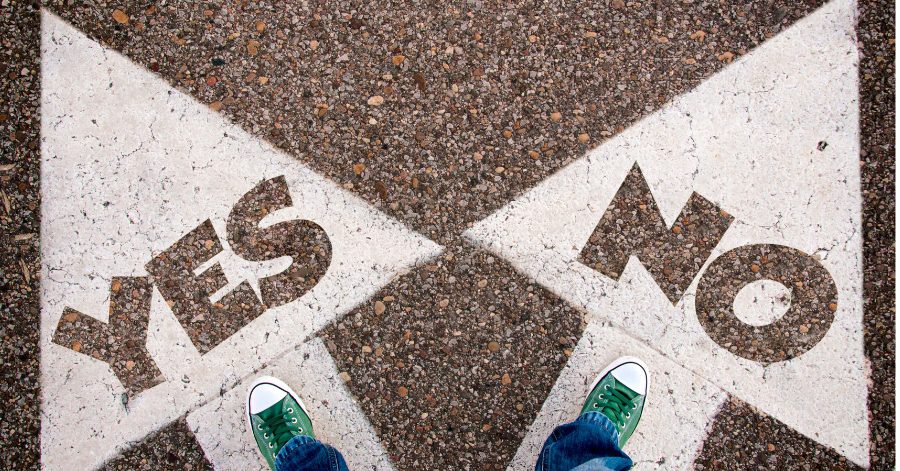
The Actual Mechanics (It’s Really Not Complicated)
Okay so here’s how decision making with yes or no wheel approaches actually work. You pull up this colorful wheel thing on your phone – usually green for yes, red for no, though some sites get all fancy with different colors and animations. I use this yes or no wheel most of the time since it’s super simple and loads fast. You type your question, tap the spin button, and watch it whirl around until it stops.
But here’s the weird part nobody tells you about. While it’s spinning, your brain does this thing where you start hoping for a specific outcome. Like really hoping. I spun about whether to dye my hair purple last month, and as soon as I saw it slowing down near “no,” I was internally screaming. That’s when I realized I’d already made up my mind – the wheel just helped me figure it out.
The suspense is oddly thrilling too. Way better than flipping a coin, which always felt kinda lame. There’s something about watching that thing slow down, section by section, that makes even stupid decisions feel momentous. Decision making with yes or no wheel tools just hits different than other methods.
My coworker Marcus discovered decision making with yes or no wheel tools during a particularly brutal week of deadlines. Started using them for tiny work stuff – should he grab coffee, should he stay late, should he order lunch delivery. Says it completely changed how he approaches daily choices. Less stress, more action. I mean, the guy used to spend twenty minutes deciding where to eat lunch. Now? Spin and done. Decision making with yes or no wheel methods totally transformed his workflow.
Choice Overload is Literally Killing Our Brains
Fun fact: we make around 35,000 decisions per day. Thirty-five THOUSAND. No wonder we’re all exhausted by dinnertime. Our great-grandparents had like five breakfast options max. We’ve got entire grocery store aisles dedicated to different types of milk. Almond, oat, soy, coconut, macadamia – when did choosing milk become a lifestyle statement?
This is exactly why decision making with yes or no wheel methods feel so refreshing. They cut through all the analysis paralysis bullshit. Should you try that new bubble tea place? Spin. Should you finally start that online course you bought six months ago? Spin. Should you wear the black dress or the blue one? Spin and move on with your life. Decision making with yes or no wheel tools are perfect for this stuff.
There’s actual research backing this up too. Found this Harvard Business Review article about how gut decisions are often just as good as heavily analyzed ones. Makes total sense – our ancestors survived just fine without spreadsheets comparing berry options.
Decision fatigue is real, people. Your brain gets tired from making choices and starts making progressively worse ones as the day goes on. Ever wonder why you bought those weird leopard print leggings during an evening shopping trip? That’s decision fatigue talking. Decision making with yes or no wheel methods can help prevent this.
When to Let the Wheel Take Over
Picture this: Friday night, supposed to meet friends downtown. My roommate and I spend thirty minutes debating train versus driving. “Parking will be expensive but trains might be delayed but traffic could be awful but…” Finally I’m like “screw this” and pull up a yes or no wheel. Train wins. Best night ever, saved money, got home safely. Sometimes you literally just need something to break the tie.
Weekend planning is where decision making with yes or no wheel approaches really shine. Those Saturday mornings when you have seventeen different ideas but can’t commit to anything? Should you hit the farmers market? Deep clean your apartment? Drive to that hiking trail everyone posts about? Beach day? The wheel doesn’t care about your pros and cons list – it just picks one and gets you moving.
Work situations are perfect too. Should you volunteer for that new project? Accept the lunch invitation from the colleague who keeps asking? Finally organize your computer files? Nothing major obviously, just the daily stuff that somehow becomes way more complicated than necessary.
Creative blocks are another goldmine. My friend Sophie’s an artist and uses decision making with yes or no wheel tools when she’s stuck between ideas. Color palettes, composition choices, which piece to work on next. She says it breaks her perfectionist paralysis and gets her actually creating instead of endlessly planning. Decision making with yes or no wheel approaches work great for creative people.
Social decisions become so much easier too. That party where you won’t know anyone? The hiking group you’ve been considering? The pottery class Groupon that expires next week? Decision making with yes or no wheel methods remove the whole “what if I hate it and regret going” anxiety spiral.
How Random Choices Build Actual Confidence
This sounds completely backwards, but using decision making with yes or no wheel approaches has made me way more decisive overall. Seriously! When you stop agonizing over tiny choices, you free up mental energy for stuff that actually matters.
You also start recognizing patterns about yourself. Like, I’m always disappointed when the wheel says no to outdoor activities, which helped me realize I need way more nature time. Or how I’m consistently relieved when it says no to weeknight social events – turns out I’m just not a Tuesday trivia night person, and that’s okay!
The trick is boundaries. Pizza toppings? Absolutely wheel territory. Career changes? Maybe grab a journal and really think about that one. Decision making with yes or no wheel tools work best for low-stakes stuff where you’re overthinking things.
My therapist mentioned something cool about this. Learning to be comfortable with uncertainty – which these wheels basically teach you – is huge for mental health. Our culture is so obsessed with control and perfect outcomes. Sometimes accepting randomness is actually liberating.
Plus, you build tolerance for imperfect results. Most daily decisions aren’t life-or-death anyway. They’re just… decisions. Learning to make them quickly and move on is honestly a superpower in our overthinking society.

Pro Tips from a Reformed Overthinker
After using decision making with yes or no wheel methods for months, I’ve figured out some tricks. First: be stupidly specific with questions. Don’t ask “what should I do tonight?” Ask “should I go to yoga class tonight?” The wheel can’t read minds, so help it help you.
Watch your reaction during the spin. That moment when you’re mentally chanting “please be yes please be yes” is pure gold. Sometimes the wheel’s biggest value isn’t the actual answer – it’s showing you what you were secretly hoping for.
Don’t feel trapped by results. I’ve definitely gotten answers that made my stomach drop, and guess what? I ignored them. The point isn’t blind obedience to randomness. It’s using randomness to understand your preferences faster.
Keep mental notes about which wheel decisions you regret. For me, it’s usually social events I let the wheel talk me into when I was already exhausted. Now I factor in energy levels before spinning about evening plans.
Timing matters too. Never use decision making with yes or no wheel approaches when you’re stressed, hangry, or emotional. Your reactions won’t be reliable when you’re not in a decent headspace.
Also? Start small. Don’t jump straight into major life choices. Begin with lunch decisions, weekend activities, what to watch on Netflix. Build comfort with the process before using it for bigger stuff. Decision making with yes or no wheel methods work best when you ease into them gradually.
The Brain Science That Makes This Work
There’s fascinating psychology happening when you outsource choices to a wheel. Your decision-making brain gets a mini vacation, which is actually crucial. We make thousands of choices daily – outfit, breakfast, route to work, lunch, what to text back – and that mental load seriously adds up.
Decision making with yes or no wheel tools also build what psychologists call “tolerance for ambiguity.” Basically, getting okay with not knowing exactly how things will turn out. In our Google-everything, plan-every-detail culture, that’s actually rare.
The surprise factor is underrated too. When did you last do something purely because random chance suggested it? Some of my favorite memories come from wheel decisions that took me places I never would’ve chosen on my own.
My psych professor friend explained that decision fatigue is scientifically real. Your brain literally gets tired from choosing things. By outsourcing small decisions, you preserve mental energy for choices that genuinely matter. Pretty smart strategy, honestly.
There’s also something about removing personal responsibility temporarily. When the wheel chooses, there’s no room for self-criticism about picking the “wrong” option. That psychological relief can be surprisingly refreshing.
Why Randomness Beats Analysis (Sometimes)
Look, I’m not suggesting you wheel-decide your wedding venue or career path. But for everyday stuff? Decision making with yes or no wheel methods slice through so much unnecessary mental clutter. We live in a world where people spend hours researching the “optimal” brand of paper towels. Sometimes good enough really is good enough.
The relief of just deciding something is incredible. No second-guessing, no “what if the other option was better,” no analysis paralysis. Wheel makes the call, you move forward, life continues. Honestly revolutionary.
I’ve watched friends torture themselves for days over decisions that won’t matter next month. Thai food or Italian? New coffee shop or usual spot? Will you even remember this choice in two weeks? Probably not. Decision making with yes or no wheel approaches say spin it, eat something, get on with your day.
Best part is learning to be okay with imperfect outcomes. Most decisions aren’t make-or-break anyway. Learning to choose quickly and confidently, even with incomplete information, is genuinely a superpower in today’s overthinking culture.
The wheel teaches you that most choices aren’t permanent either. Don’t like the new restaurant it picked? Now you know for next time. Regret skipping that event? File it away for future reference. Every spin is data about your preferences, even the “wrong” ones.

Questions People Always Ask Me
Should I actually trust major life decisions to a random wheel?
God no! These are for everyday stuff where you’re overthinking things. Choosing your Netflix show? Perfect. Choosing whether to move across the country? Please talk to actual humans about that. If it’s something you’ll still care about in six months, the wheel probably isn’t your best advisor. Use your brain for big stuff!
What if I absolutely hate the answer it gives me?
That’s literally the best outcome! Your immediate “oh hell no” reaction is your gut telling you what you actually wanted. I’ve had tons of spins where I immediately thought “nope, definitely not doing that” and went the opposite direction. The wheel just helped me figure out my real preference way faster than I would’ve on my own.
When exactly should I be using decision making with yes or no wheel approaches?
Perfect question! Use them when you’re spending way too much mental energy on something minor, when your options seem pretty equal, when you’re genuinely stuck and need any direction whatsoever, or when you catch yourself going in circles about insignificant stuff. Skip the wheel for anything involving other people’s wellbeing, major money decisions, or ethical situations.
Could I become too dependent on these things?
Only if you completely stop using your own judgment, which totally defeats the purpose. The wheel should feel like a helpful shortcut, not a replacement for thinking. If you literally can’t choose what socks to wear without consulting the internet, you might want to practice making some tiny decisions independently again.
How truly random are these digital wheels?
Random enough for our purposes here! They use computer algorithms that are plenty unpredictable for helping you decide between pizza and Chinese food. Unless you’re conducting actual scientific research, the level of randomness is totally sufficient for everyday decision-making needs. Don’t overthink the overthinking solution!
Any tricks for getting better results with decision making with yes or no wheel methods?
Absolutely! Ask super specific questions instead of vague ones, pay close attention to your emotional reaction while it’s spinning, remember you can totally override the result if it feels completely wrong, and mainly use it for decisions where you’re mentally spinning your wheels. The whole goal is cutting through overthinking, not shutting off your brain entirely.