
How to Use a Random Quirk Generator to Best Build Unique Characters
Character development can feel like staring at a blank page, waiting for inspiration to strike. Whether you’re crafting personas for your next novel, designing NPCs for a tabletop campaign, or developing avatars for a creative project, the pressure to create something original often leads to creative blocks. That’s where tools like a random cartoon character generator come in handy, offering unexpected combinations that spark imagination in ways traditional brainstorming sometimes can’t.
Discover how to use a random quirk generator to create memorable, dimensional characters for your stories, games, and creative projects. Learn techniques for combining traits effectively and avoiding common pitfalls.
Why Random Generation Works for Character Building
How to Use a Random Quirk Generator
Our brains naturally fall into patterns. When left to our own devices, we tend to recycle familiar tropes and character types we’ve encountered before. The shy bookworm. The rebellious teenager. The grizzled veteran with a mysterious past. These archetypes exist because they work, but relying on them exclusively makes your cast feel predictable.
Random quirk generators interrupt these mental patterns by introducing elements you wouldn’t normally pair together. Maybe you get a germaphobic chef who collects vintage horror comics. Or a cheerful mortician who speaks only in rhymes. These unexpected combinations force you to think differently about how personality traits interact and create depth.
The randomness also removes the pressure of perfection. When a generator produces a quirk, you’re not responsible for coming up with something brilliant from scratch. Instead, you’re responding to a prompt, which activates different creative pathways in your brain. It shifts you from creation mode to interpretation mode, which often feels less daunting.
Getting Started with Quirk Generators
How to Use a Random Quirk Generator
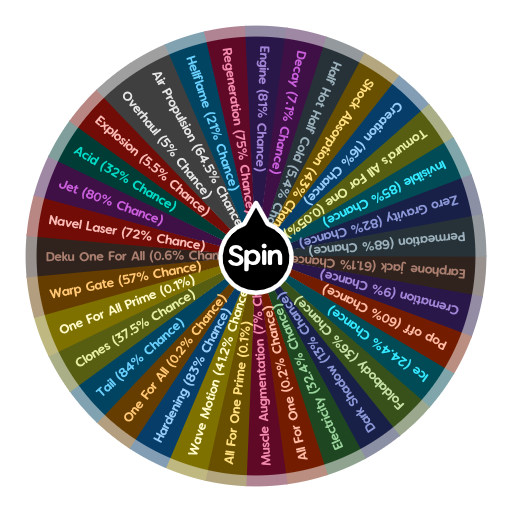
Most random quirk generators work with simple mechanics. You click a button, spin a wheel, or press generate, and the tool produces a character trait, habit, fear, or personality feature. Some generators offer single quirks, while others provide complete character profiles with multiple attributes.
Start by generating several options without committing to anything. Treat your first dozen results as warm-up exercises. You’ll notice certain quirks immediately resonate while others feel wrong for your current project. That gut reaction tells you something important about the character you’re subconsciously building.
Don’t feel obligated to use every quirk exactly as presented. These generators work best as springboards rather than rigid instructions. If you generate “afraid of buttons” but that feels too random, maybe your character has a general anxiety about small objects with holes, which leads you down a completely different path exploring trypophobia and its origins in their backstory.
Combining Quirks for Dimensional Characters
Single quirks create interesting details, but layering multiple traits builds truly memorable characters. The key is finding quirks that create productive tension with each other. A character who loves cleanliness but also can’t resist picking up stray animals creates immediate conflict. Where do all these pets live? How does someone so fastidious cope with fur, litter boxes, and muddy paws?
Try generating three to five quirks, then look for unexpected connections. Maybe you get: collects ceramic frogs, speaks three languages, and always wears mismatched socks. Separately, these seem random. Together, they might suggest someone who studied abroad extensively, picking up language skills and frog figurines from different countries, while the socks hint at either rebellious individuality or perhaps a touch of superstition about matching pairs.
The Writer’s Digest approach to character development emphasizes that memorable characters need contradictions and complexity, which is exactly what thoughtful quirk combinations provide.

Avoiding the Quirk Overload Trap
There’s such a thing as too much personality. When every character has five unusual habits, two irrational fears, and a collection of something obscure, your cast starts feeling like a circus rather than a believable group of individuals. Random quirk generators give you options, but restraint makes those choices impactful.
Consider giving main characters two or three defining quirks while supporting characters might only need one memorable trait. Your protagonist’s fear of heights, obsession with punctuality, and habit of quoting old movies gives readers plenty to work with. Meanwhile, the barista who always remembers everyone’s order and nothing else stays memorable without overwhelming the scene.
Also remember that quirks should serve the story. A character who taps their fingers when nervous adds tension to high-stakes scenes. A character who alphabetizes their spice rack might never have that trait become relevant unless you’re writing domestic fiction or using it to show how they cope with chaos by controlling small details.
Making Generated Quirks Feel Natural
The difference between a quirk that feels authentic and one that seems tacked on comes down to integration. When you pull a random trait from a generator, ask yourself why this character has this quality. What life experiences led to it? How does it affect their daily choices?
Someone who refuses to eat anything red might have a childhood trauma involving food poisoning from tomato sauce. Or maybe they’re a synesthete who associates red foods with unpleasant sounds. Or perhaps it started as a childhood bet and became an identity marker they can’t let go of. The quirk itself is just the surface; the reasons beneath it create authenticity.
Show quirks through action rather than explanation. Instead of writing “Sarah was obsessed with symmetry,” show her rearranging items on a desk, taking the long way around to avoid walking past a building with an odd number of windows, or struggling to relax in asymmetrical spaces. Readers pick up on patterns without needing them spelled out.
Using Quirks Across Different Media
Character quirks work differently depending on your medium. In novels, you have internal monologue to explore why someone counts ceiling tiles compulsively. In screenplays, quirks need to manifest visually. For tabletop games, quirks should create interesting roleplay opportunities without becoming mechanical burdens.
Game masters might use a random quirk generator during prep to quickly flesh out NPCs. That innkeeper doesn’t need a full backstory, but giving her a habit of finishing everyone’s sentences makes her memorable. For character artists and designers, quirks suggest visual elements: someone who collects keys might wear several as jewelry; a former soldier might maintain military posture even in casual settings.
Video game character designers often use quirks to create recognizable silhouettes and animations. A character who always adjusts their glasses has a repeated animation that players associate with that specific NPC. A character who walks with a bounce communicates personality before any dialogue starts.
When to Ignore the Generator
Sometimes a random quirk generator gives you results that simply don’t work. Maybe you’re writing historical fiction and get a quirk about smartphone addiction. Maybe the generated trait contradicts something fundamental about your character’s role or world.
Trust your instincts when something feels off. Generators are tools, not authorities. If you spin five times and nothing clicks, take a break and return later. Sometimes your subconscious needs time to process possibilities before recognizing the right fit.
Similarly, if you’ve already developed a character extensively and suddenly want to add quirks, proceed carefully. Retconning new traits into established personalities can feel forced. Instead, use generators early in development or consider whether new quirks might represent character growth rather than traits they’ve always had.
Building Quirk Libraries for Future Use
Keep a document of interesting quirks you generate but don’t immediately use. That fear of odd numbers might not work for your current protagonist but could be perfect for a supporting character in your next project. Over time, you’ll build a personal library of traits that resonate with your creative sensibilities.
Organize your quirk collection by category: physical habits, speech patterns, fears, collections, superstitions, and preferences. When you need to quickly develop a new character, browsing your curated list often works faster than generating fresh options, since you’ve already filtered these traits through your creative judgment.
Some writers categorize quirks by intensity. Minor quirks like preferring window seats or humming while working add color without driving plot. Major quirks like pathological lying or pyromania create conflict and story momentum. Having both types available helps you match character depth to their narrative importance.
If you’re looking for more help creating believable, well-rounded characters, check out our post on 5 Common Problems Writers Face When Creating Characters (and How the Best Quirk Generator Solves Them). It breaks down the biggest challenges like repetitive traits, flat personalities, and lack of originality and shows how a random quirk generator can make your characters instantly more dynamic. By using smart, creative prompts, you can overcome writer’s block and give each character a distinct voice and personality that feels real.
Frequently Asked Questions
How many quirks should a single character have?
Main characters typically benefit from two to three well-developed quirks, while supporting characters need only one memorable trait. Too many quirks can make characters feel gimmicky rather than genuine. Focus on quality and integration rather than quantity.
Can I use the same quirk for multiple characters?
Yes, but how different characters express the same quirk should vary. Two characters who both collect things might collect vastly different items for different reasons. One might obsessively organize their collection while another keeps everything in chaotic piles. The shared quirk highlights their differences.
What if a generated quirk seems too weird or unrealistic?
Unusual quirks can work if you ground them in believable motivations. The strangest human behaviors usually have understandable origins. Alternatively, tone down the intensity or use the weird quirk as inspiration for something more subtle that captures the same spirit.
Should every character have quirks?
Not necessarily. Some characters work best as stable, predictable presences that ground more eccentric personalities. Think of quirks as seasoning in cooking—essential for flavor but overwhelming if overused. Background characters especially don’t need defining quirks unless they serve a specific narrative purpose.
How do I make sure quirks don’t feel random or pointless?
Connect quirks to either the character’s backstory, their emotional arc, or the story’s themes. A character who obsessively checks locks might have experienced a home invasion, or this behavior might represent their desperate attempt to control an otherwise chaotic life. When quirks have roots, they feel purposeful.
Can quirks change over the course of a story?
Absolutely. Character growth often involves overcoming or adapting quirks that stem from trauma or insecurity. Someone who starts the story unable to maintain eye contact might slowly gain confidence. Alternatively, new quirks can develop in response to story events, showing how experiences shape personality.