How I Accidentally Discovered the Best Decision-Making Hack While Having a Mental Breakdown in Trader Joe’s
Okay, so this is gonna sound absolutely ridiculous, but hear me out. Last month, I had what I can only describe as a mini nervous breakdown in the pasta sauce aisle at Trader Joe’s. Not kidding. I was standing there with like fifteen different marinara options, reading ingredient labels like I was studying for the SATs, when this elderly woman walks by, grabs one at random, and keeps moving. Meanwhile, I’m still there ten minutes later, having an internal crisis about whether organic really matters for tomato sauce. That’s when my sister texted asking what was taking so long, and I sent her a picture of all the jars laid out on the floor where I’d arranged them (yes, I’m that person). She immediately called me and was like “dude, just use that spinny thing we saw online” – referring to this yes or no wheel we’d laughed about the week before. I thought she was messing with me. She wasn’t.
Here’s the thing nobody tells you about being an adult – you spend an absolutely insane amount of mental energy on completely pointless decisions. And I mean POINTLESS. Like, I once spent my entire lunch break comparing reviews for two nearly identical phone chargers that cost three dollars each. THREE DOLLARS. My therapist says this is related to something called random choices psychology, which basically explains why sometimes the smartest thing you can do is stop trying to be smart about every little thing.
Plot twist: she was totally right and it’s changed my entire life. No joke.
The Day I Realised My Brain Was Basically a Dying iPhone Battery
You know that feeling when your phone hits 10% and starts doing weird stuff? That’s what was happening to my brain every single day around 3 PM. I’d start the morning making decent choices – coffee black, sensible outfit, actually arrive places on time. But by mid-afternoon, I’d be standing in CVS for twenty minutes debating between two types of lip balm that are basically identical.
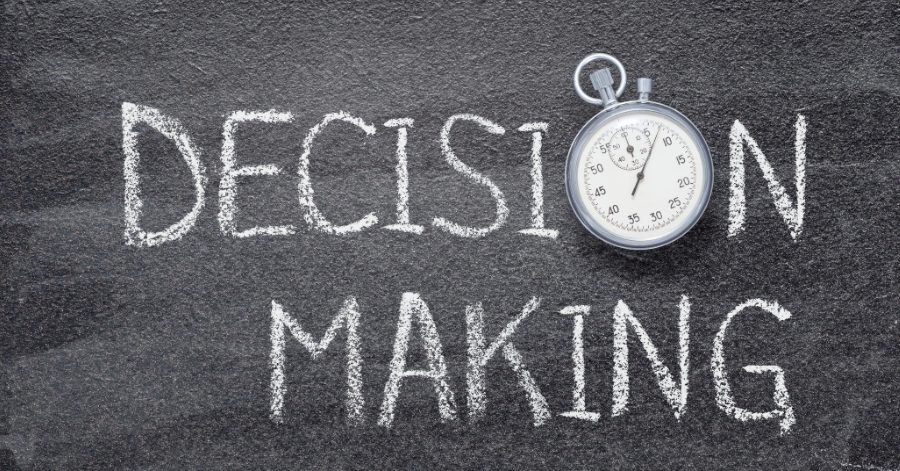
My roommate Marcus (who’s studying psychology, which makes him insufferable but occasionally useful) explained this thing called decision fatigue to me. Apparentl,y every choice you make burns through mental energy, even stupid ones like which socks to wear. He told me about this wild study where judges were way more likely to grant parole right after their lunch break versus late in the day. Same exact cases, same everything – just different timing. By afternoon, their brains were basically mush.
This explained SO MUCH about my life. Like, why did I make that horrible impulse purchase on Amazon at 11 PM (a singing fish, don’t ask)? Or why I ended up eating cereal for dinner three nights in a row because choosing what to cook felt impossible. Or that time I bought the most expensive salad on the menu just because I couldn’t process all the other options.
Now when I let something random decide for me, it’s like plugging my brain into a charger. Instead of being the frazzled manager trying to micromanage every tiny detail, I get to be the employee who just does what they’re told. Way less exhausting.
Marcus started doing this thing where he writes dinner options on scraps of paper and pulls one out when we can’t decide. Honestly? Best meals we’ve had all year. Turns out when you’re not stressed about making the “perfect” choice, you actually enjoy whatever happens.
The Curse of Having Too Many Options (Or: Why I Hate Modern Life Sometimes)
Can we talk about how absolutely overwhelming everything has become? I went to buy shampoo last week and there were literally 200+ options. Two hundred! For hair soap! My mom had like three choices growing up and her hair looked fine. Meanwhile, I’m standing there reading about sulfates and parabens and pH levels like I’m getting a chemistry degree.
This psychologist, Barry Schwartz, wrote about how having too many choices makes people miserable, and I felt personally attacked reading his research. He did an experiment where people could sample 24 different types of jam versus just 6. Guess what? When there were too many options, hardly anyone bought anything. More choices literally paralysed people into buying nothing.
This is my entire existence now. I spent two hours on Netflix last weekend and watched nothing because I couldn’t choose. TWO HOURS. I could’ve watched a whole movie in that time. My grandpa had four TV channels and was perfectly content. I have access to every movie ever made and I’m having anxiety attacks about commitment.
Same thing happens at restaurants with those massive menus that are basically novels. My friend Danny figured this out years ago – he just asks the server what’s good and goes with that. “I’m not a professional food-picker,” he says. “I’m here to eat and hang out, not optimize my meal.” Genius.
Random choice tools basically act like a personal assistant who just makes the call so you don’t have to. No more standing paralysed in the breakfast aisle comparing fibre content like it’s life or death. Just pick something edible and move on.
The Completely Backwards Thing About Random Results That Actually Makes Perfect Sense
This is gonna sound totally insane, but I’m genuinely happier with the choices I didn’t make myself. I KNOW how weird that sounds. But apparently, scientists have studied this and found that people feel more satisfied with randomly selected outcomes even when they’re identical to what they would’ve picked deliberately.
The reason is actually pretty simple (and embarrassing for those of us who overthink everything). When I choose something myself, my brain immediately starts the anxiety spiral: “What if the other restaurant was better? What if this movie sucks? Did I waste my money? Should I have gotten the chicken instead?” But when chance decides, I just accept it and move on. No mental energy wasted on second-guessing.
Plus, your brain apparently loves surprises. Random choices trigger these little dopamine hits because you literally don’t know what’s coming. It’s like Christmas morning but for lunch decisions.
My friend group started using a random picker app for our Friday night plans after watching us text for literally an hour trying to decide where to go. Now we just input our options and let the app choose. Somehow, we always have way more fun, probably because nobody can complain about the choice since none of us actually made it. Zero responsibility, maximum enjoyment.
My grandma used to do something similar, but analogue. When she couldn’t decide between two things, she’d flip a coin – but here’s the genius part – she’d pay attention to what she was secretly hoping for while it was in the air. “That tells you what you really want,” she’d say. Took me thirty years to realise she was basically doing therapy on herself.
Turns Out Successful People Are Way More Random Than You’d Think
Steve Jobs wore the same black turtleneck every day, partly because he didn’t want to waste brain power on clothes. But tons of other successful people take randomness way further. My boss uses actual dice to decide which marketing test to run first when she can’t choose between equally promising options. Says it saves hours of pointless meetings where everyone argues about their gut feelings.
One of my college professors used to randomly assign essay topics because she said students wrote better papers when they couldn’t obsess over finding the “perfect” subject. Made total sense – I always stressed more about topic selection than actually writing the thing.
Research from the American Psychological Association actually shows that unpredictable learning experiences help people remember stuff better. Turns out our brains work more efficiently when they can’t predict and control everything. Who knew?
My upstairs neighbours, Julie and Rob, have this “mystery date” system where they write activity ideas on popsicle sticks and randomly draw one every Saturday. They’ve ended up rock climbing, at weird art galleries, taking salsa lessons, and visiting random neighbourhoods they’d never explored. Their relationship looks way more fun than couples who plan everything to death and then argue about restaurant choices for twenty minutes.
I totally stole their idea and made my own weekend activity jar. Instead of scrolling Instagram for two hours trying to figure out what to do with my life, I just pick a stick and go do whatever it says. Ended up at a pottery painting place last month – something I never would’ve chosen but absolutely loved. Now I have several ugly mugs that I’m weirdly proud of.
When Random Works Amazing (And When It’s Probably a Terrible Idea)
Look, don’t randomly choose your spouse or career. Though honestly, my parents met completely by accident when my dad got on the wrong bus, so maybe chaos works sometimes? But random choices, psychology really shines for everyday stuff where there’s no objectively “right” answer and you’re just burning mental calories trying to optimise something that doesn’t really matter.
Perfect random choice situations: what to eat for lunch, which movie to watch tonight, what book to read next from your giant pile, which route to take home when traffic is bad everywhere. Basically, any time you have multiple decent options and you’re just torturing yourself trying to find the mythical “best” choice.
My brother used to think I was being lazy until he tried it for choosing podcasts during his commute. Discovered some incredible shows he never would’ve clicked on because they were outside his usual true crime obsession. Now he swears by random selection for anything entertainment-related. “I was stuck listening to the same five shows and didn’t even realize how bored I was,” he told me.
The secret is starting really, really small. I began with tiny stuff like which coffee shop to visit or which playlist to put on while doing chores. Once I got comfortable with those micro-uncertainties, bigger decisions felt way less overwhelming. Not that I’m randomly picking major life stuff, but I’m not having panic attacks over medium-importance choices anymore either.

The Mental Freedom I Didn’t Even Know I Was Missing
We’re living in this bizarre time where everything is supposed to be perfectly curated and optimised. Spotify creates playlists based on songs you’ve already heard. Amazon suggests products before you know you want them. Instagram feeds you content designed specifically to keep you scrolling. It’s all very efficient and also kind of… suffocating?
Random choices basically force you to break out of your algorithmic prison. That sketchy-looking taco truck you’d normally walk past might serve the best food you’ve ever had. That documentary you’d usually skip could completely change how you think about something important. That hobby you never considered might become your new obsession.
Plus when something doesn’t work out perfectly, you can’t really beat yourself up about it. “The wheel picked it” is a totally legitimate response that saves you from the self-criticism spiral. This built-in excuse actually makes people more willing to try new stuff and take small risks. Failure feels less personal when chance was involved.
I started using random selection for books after staring at my to-read pile for literally months, completely paralyzed by choice. Instead of carefully analyzing which one would be most beneficial for my personal growth or whatever, I’d just close my eyes and grab one. Read some absolutely incredible stories I probably would’ve kept skipping because they didn’t seem “important” enough.
My therapist actually suggested this approach during a particularly anxious period last spring, when I was basically unable to make any decisions without having a minor breakdown. All that overthinking was exhausting me and making even simple choices feel impossible. She said sometimes the best way to break an anxiety spiral is to just pick something and move forward, even if it’s not perfect. Perfectionism was literally paralysing my entire life.
Finding My Sweet Spot Without Going Completely Insane
Obviously, don’t become completely random about everything – that would just create different problems and probably land you in some weird situations. It’s more about finding that sweet spot between careful planning and spontaneous action. Think of randomness like hot sauce: the right amount makes everything better, too much ruins the whole meal.
I probably use random selection for maybe 25% of my daily choices now. Mostly small-to-medium stuff where I know I’m just wasting mental energy trying to find the “optimal” option when several perfectly fine ones exist. This saves me tons of brain power for decisions that actually matter, like work projects or important conversations with people I care about.
My coworker Jessica was super sceptical when I first explained this whole thing. “That sounds completely irresponsible,” she said, giving me the look she usually reserves for people who don’t use turn signals. But after she tried it for choosing lunch spots during our break, she did a complete 180. “Oh my god, it’s so liberating,” she admitted. “I was putting ridiculous amounts of thought into stuff that literally doesn’t matter at all.”
Now she randomly picks workout classes, grocery stores, which coffee shop to work from, and even which route to take to avoid traffic. Says she feels way less stressed overall and has discovered some amazing places she never would’ve tried otherwise. Plus, she’s become the fastest decision-maker in our office, which everyone appreciates during group lunch planning.
The key thing I’ve learned is paying attention to how random outcomes actually make you feel. If you’re consistently disappointed or annoyed, maybe you do have strong preferences and should trust your gut more. But if you’re generally fine with whatever happens, randomness might free up way more mental space than you realize.
How This Weird Habit Actually Changed My Entire Approach to Everything
Here’s what I totally didn’t expect: using random choices psychology for small decisions actually made me way better at big ones. When you’re not mentally drained from a thousand tiny choices throughout the day, you have so much more focus and energy for the stuff that really matters.
I notice this most in my relationships. When I’m not exhausted from deciding what to wear, where to eat, which route to take, what show to watch, I’m way more present with friends and family. Better listener, more patient, more creative and fun in conversations. It’s like I have more of myself available to give to people and experiences that actually count for something.
Plus there’s something really valuable about modeling this behavior for younger people. When my eight-year-old nephew sees me flip a coin to choose between ice cream flavors and then genuinely get excited about whichever one wins, he’s learning that happiness doesn’t require perfect optimization. That’s probably worth a lot in a world that teaches kids they need to maximize everything.
My dad used to call this “analysis paralysis” way before I knew it was an actual psychological term. He’d watch me stress about completely minor decisions and say, “Sometimes you just gotta pick something and make it work out.” Took me three decades to realize he was absolutely right about this.
Random choices psychology isn’t about being lazy or avoiding responsibility or giving up control of your life. It’s about being strategic with your mental resources and recognizing that most decisions really aren’t as important as we make them out to be. Every minute you spend agonizing over which sandwich to order is a minute you’re not fully engaged with the person you’re eating with or the experience you’re supposed to be enjoying.
Life’s honestly too short and too unpredictable to optimise every single choice. Sometimes good enough really is good enough, and sometimes random turns out to be better than perfect.

Frequently Asked Questions
Don’t people think you’re totally weird for using random apps and flipping coins all the time?
Honestly, most people are way too busy dealing with their own decision-making disasters to care how you handle yours. And the ones who do notice usually think it’s pretty brilliant once they see how much less stressed and more decisive you become—it’s basically Random Choices Psychology in action. Plus, you don’t have to announce it to the world—nobody needs to know that you randomly picked your coffee order.
What happens if the random choice is something you absolutely hate or that turns out to be terrible?
That’s actually super valuable information that reveals your true preferences way better than endless pro/con lists ever could. In fact, Random Choices Psychology shows how even a bad pick can trigger strong reactions that tell you a lot about what you actually want. You can always ignore the random result and go with your gut feeling—sometimes the random choice just helps clarify what you were really hoping for all along.
How do you know if you’re taking the randomness thing too far?
Simple—if it starts making you feel more anxious instead of more relaxed, it’s probably time to dial it back. Random Choices Psychology isn’t about giving up control; it’s just a way to take the pressure off when your brain’s overloaded. Try it with little stuff first and see how it feels. At the end of the day, it’s all about what actually helps you—not what some wheel or app says.
Can this random approach actually help with bigger, more important life decisions?
Not as the final answer—but as a way to get clarity, it can be surprisingly powerful. Random Choices Psychology isn’t about leaving your future up to chance; it’s more like holding up a mirror to your gut instincts. Try my grandma’s old coin flip trick—while it’s in the air, notice which side you’re silently rooting for. That moment often tells you more than any pro/con list ever could.
What if my family or friends think this whole random thing is ridiculous?
Honestly, they might at first. But once they see you’re way less stressed and still making solid choices, they usually come around. That’s the thing about Random Choices Psychology—it’s low-key, but it works. My mom thought I was nuts… now she asks me to spin for her when she can’t decide what to watch on Netflix.
Is there some perfect percentage of decisions you’re supposed to make randomly?
Not really. It totally depends on who you are and how chill you are with a little uncertainty. Some people only use it now and then—like 5% of the time—while others lean on it way more. Random Choices Psychology isn’t about following some formula; it’s about finding that spot where life feels easier, not out of control. Start small, see how it feels, and adjust from there.